
Bitcoin Casino Regulation in the UK 2026: How Cryptocurrency Gambling Platforms Are Adapting to Financial Compliance Standards
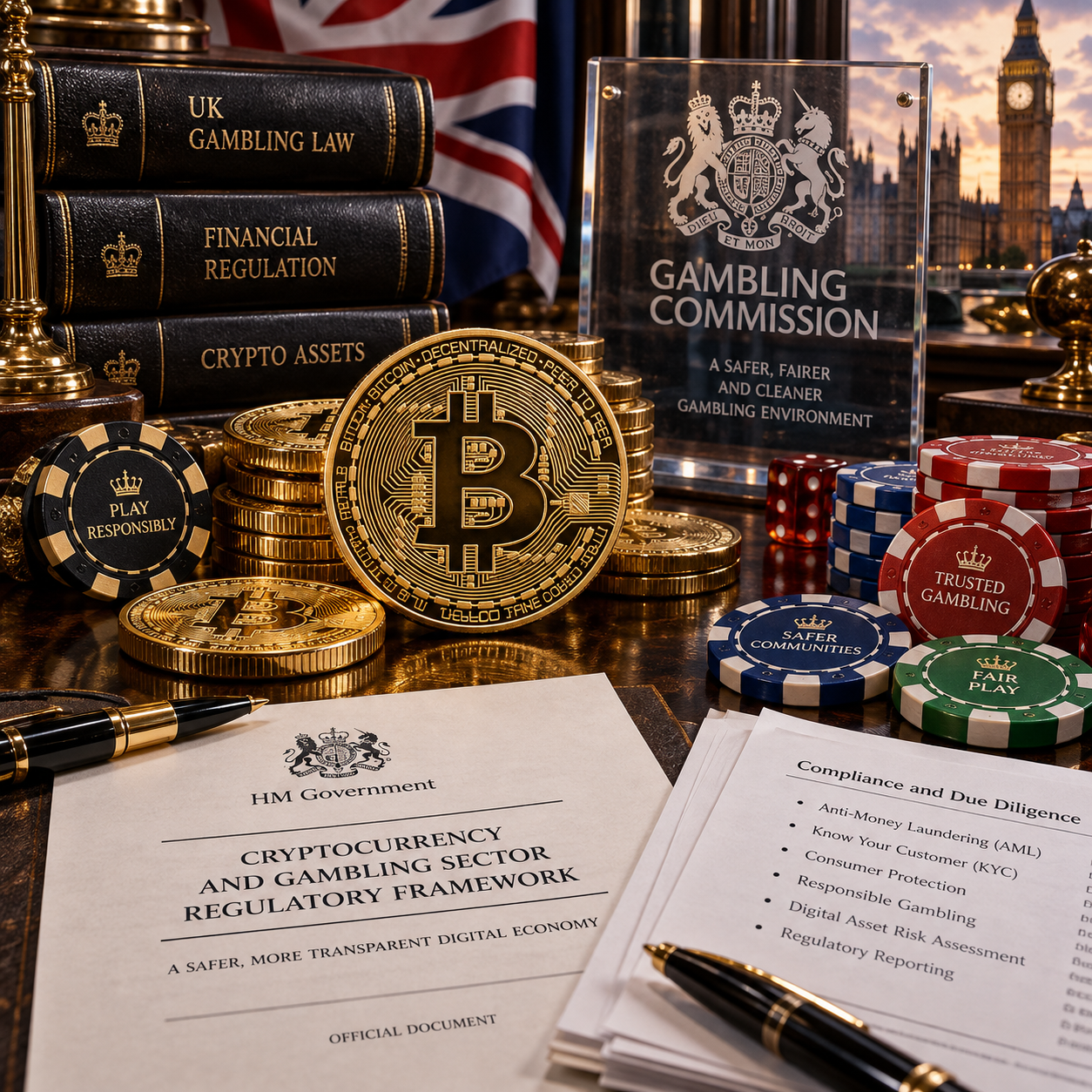
I've spent the better part of two years watching crypto gambling crawl out of niche-curiosity territory and into something the UK's betting industry actually has to reckon with. And 2026? Feels like the year everything clicked into a new gear. What used to be a grey area — operators quietly taking Bitcoin while regulators figured out what to even do about it — has hardened into something far more structured. The UK Gambling Commission stopped treating cryptocurrency like an afterthought and started building real frameworks around it. Meanwhile the Financial Conduct Authority tightened its own crypto-asset guidance in ways that ripple straight into how these platforms actually operate.
This isn't bureaucratic housekeeping. Not even close. The tension between blockchain innovation and compliance culture has real consequences — for players, for operators, for the reputation of the whole industry. So in this piece I want to walk through how that tension's being resolved in 2026: what rules now govern crypto gambling platforms, and what players should actually be checking before they deposit their coins anywhere.
The UK Gambling Commission's Stance on Cryptocurrency in 2026
The UKGC's position has matured a lot. Rather than lumping every digital asset transaction into one vague category, the Commission now distinguishes between different types of crypto payment rails — assessing each on traceability, custody arrangements, and how transparent the underlying blockchain actually is. Operators wanting to accept Bitcoin, Ethereum, or stablecoins have to prove their payment infrastructure allows the same level of scrutiny as traditional banking channels. No shortcuts.
Licensing requirements got updated to explicitly cover crypto onboarding, wallet custody, and withdrawal processing. Platforms now have to disclose their blockchain partners, their custodial arrangements, and how they reconcile on-chain transactions with their internal ledgers. What this created, in effect, is a two-tier market. Operators who invested early in compliance infrastructure are thriving under the new rules. Those who treated crypto as a way to dodge oversight? Getting pushed out, or forced offshore.
Licensed vs. Unlicensed Crypto Gambling Sites
This distinction matters more than it ever has. Unlicensed platforms — often parked in jurisdictions with next to no oversight — still lure UK players in with promises of instant withdrawals and zero verification hassle. But those same features are exactly what make them dangerous. Without a UKGC license, there's no dispute resolution mechanism, no guaranteed segregation of player funds, and no accountability if the platform just... disappears with everyone's deposits.
Licensed operators, by contrast, had to build blockchain payment systems that satisfy both gambling-specific rules and the broader financial compliance standards. More friction for the player upfront, sure. But it buys real protection. I always tell people this: if a site won't clearly state its licensing status, or explain how it handles crypto withdrawals, that's your first red flag. Full stop.
Anti-Money Laundering (AML) and KYC Compliance for Crypto Platforms
Money laundering risk has always been the elephant in the room with crypto gambling, and 2026's regulatory environment reflects a far more sophisticated understanding of how blockchain transactions get exploited. Operators now run enhanced due diligence calibrated specifically for digital assets — tracing wallet histories, flagging mixing services, monitoring transaction patterns that wouldn't raise an eyebrow in traditional finance but read as classic laundering signatures on-chain.
Identity verification has gotten more rigorous too. KYC processes now often require proof of wallet ownership alongside the standard documentation, and transaction monitoring systems are built to catch structuring behavior — breaking large deposits into smaller ones to dodge scrutiny thresholds. What's interesting, though, is how much UK policy borrows from international frameworks here. A genuinely compliant bitcoin casino operating in the UK typically models its AML procedures on guidance from established anti-money laundering standards bodies, aligning its internal controls with cross-border financial crime prevention benchmarks rather than inventing rules in isolation. That international alignment matters, because crypto transactions rarely respect borders — and UK regulators know full well that domestic-only rules would leave gaping holes.
Financial Compliance Standards Shaping Platform Operations
Beyond AML, the FCA's crypto-asset guidelines introduced financial stability requirements that intersect directly with gambling regulation. Volatility's the obvious challenge here — if a player deposits Bitcoin and its value swings 15% before a payout clears, who eats that risk? Regulated platforms are now expected to have clear policies on this, often converting deposits to fiat-pegged values immediately, or leaning on stablecoins to cut exposure.
Reserve requirements tightened too. Operators must hold sufficient liquid reserves to cover player withdrawals even during periods of extreme market volatility, and they're required to report those reserves through regular audits. Transaction reporting obligations under FCA guidance now overlap with UKGC requirements — meaning operators essentially answer to two regulatory bodies at once. A burden, yes. But one that's produced platforms that are genuinely more financially resilient than what came before.

Segregated Wallets and Player Fund Protection
One of the more reassuring developments I've seen is how widely segregated wallet structures have been adopted. Leading platforms keep operational funds completely separate from player deposits — often using cold storage that isn't connected to the internet at all, which makes it far less vulnerable to hacking. Some operators went further still, deploying audited smart contracts that publicly verify solvency in real time, proving they actually hold enough reserves to cover every player's balance.
This kind of transparency wouldn't have existed a few years back. It's a direct response to the high-profile collapses elsewhere in crypto, where customer funds turned out to be commingled with company operating capital — you probably remember the headlines. UK regulators took note. Fund segregation isn't optional anymore. It's a licensing condition, plain and simple.
Technology Solutions Driving Regulatory Adaptation
None of this compliance infrastructure works without serious investment in technology. Blockchain analytics software has become standard kit for compliance teams — letting them trace transaction histories across multiple wallets and flag suspicious patterns automatically. Real-time transaction tracing means a deposit gets assessed for risk before it even clears, not after the fact.
Automated KYC onboarding has improved a lot too, using document verification and biometric checks that confirm identity within minutes rather than days. Meanwhile, AI-driven fraud detection systems built specifically for crypto wagering environments are catching patterns human compliance officers would probably miss — coordinated bonus abuse across linked wallets, bot-driven betting patterns designed to launder funds through gameplay, that sort of thing.
Challenges Operators Face in Balancing Innovation and Compliance
None of this is frictionless, though. Regulatory frameworks still lag behind the pace of blockchain innovation — by the time rules catch up to one payment technology, three new ones have already shown up. Cross-jurisdictional inconsistencies remain a genuine headache too. A platform compliant in the UK might face completely different requirements the moment it wants to serve players elsewhere in Europe.
There's also a real customer experience trade-off here. Strict verification processes, while necessary, can frustrate players who came to crypto gambling specifically for speed and minimal friction. Operators have to walk a fine line — satisfying compliance officers without driving legitimate customers away with excessive hoops to jump through. And reputational risk looms large. One compliance failure, one story about mishandled funds, and trust evaporates fast in a market that's still proving itself.
What UK Players Should Look for in a Compliant Bitcoin Casino
If you're thinking about playing at a crypto casino in 2026, a few checks can save you a lot of grief. Start with the basics:
- Confirm the platform holds an active UKGC license and cross-check it directly on the Commission's public register
- Look for clear, published AML and KYC policies rather than vague statements buried in terms and conditions
- Check whether the operator discloses how player funds are segregated from operational capital
- Read independent audit reports if available — reputable platforms publish these
- Be wary of sites promising zero verification or instant anonymous withdrawals, as these are classic signs of unlicensed operations
Taking ten minutes to verify these points before depositing is, honestly, the single best habit any crypto gambling player can build right now.
Conclusion
What's happening in the UK right now is a genuine maturation of an industry that's spent years operating in ambiguity. The regulatory push in 2026 isn't about stifling innovation. It's about forcing crypto gambling platforms to meet the same standards of transparency and accountability that traditional finance has long required. Operators who've embraced this shift are building more resilient, more trustworthy platforms. Those still clinging to the old grey-area approach? Increasingly finding themselves locked out of the UK market entirely.
Looking ahead, I expect compliance requirements to tighten further as blockchain technology itself evolves, and as regulators get their hands on more sophisticated tools for monitoring on-chain activity. For players, that's good news. For operators willing to invest in real compliance infrastructure, it's a real chance to build lasting trust in a market that's finally growing up.