
How to Choose a Safe and Reliable Bitcoin Casino in 2026: A UK Player's Guide to Crypto Gambling, Licensing, and Responsible Play

Crypto gambling has gone properly mainstream among UK players this year — and honestly, it's not hard to see why. Near-instant deposits, lower fees, a bit more privacy than your bank statement usually gives you... it's pulled a lot of us away from the old-school fiat casinos I grew up using. I've spent a good chunk of the last few months testing platforms, actually reading the terms and conditions most people skip past, and comparing notes with other players about what worked and what didn't. Here's what I found: the technology itself is genuinely exciting, but the industry around it is still a bit of a wild west in places.
Not every site that accepts Bitcoin deserves your trust, let alone your money. So this guide walks through exactly what I look for now. The goal? Enjoying crypto gambling without gambling on the casino itself.
What Is a Bitcoin Casino and How Does It Work?
A Bitcoin casino is, at its simplest, an online gambling platform that takes cryptocurrency as a deposit and withdrawal method instead of — or alongside — traditional currency like pounds sterling. Rather than linking a debit card or bank account, you send BTC or another supported coin from your personal wallet to an address the casino generates for you. The funds usually convert into a site credit balance, and when you cash out, the casino sends crypto straight back to your wallet.
What's actually pulling UK players toward this model isn't just novelty, though. Transactions settle far quicker than bank transfers, fees are often minimal next to card processing charges, and there's an added layer of separation between your everyday banking details and your gambling activity. It's not full anonymity — reputable sites still run identity checks, no way around that — but it does keep your financial footprint a fair bit tidier.
Bitcoin Casino vs. Traditional Online Casino
Here's a quick breakdown of how the two actually compare in practice:
- Payment speed: Crypto withdrawals often process within minutes to a few hours, versus 1-5 business days for card or bank transfers.
- Fees: Network fees are usually a fraction of a percent, whereas card processors can charge noticeably more.
- Anonymity: Crypto offers pseudonymity at the wallet level, though licensed casinos still require verification.
- Provably fair games: Many crypto casinos use blockchain-based algorithms letting you verify game fairness yourself — something traditional casinos rarely offer.
- UK payment restrictions: Since the UK Gambling Commission's credit card gambling ban, crypto has become an appealing workaround for players who want alternatives to debit cards or e-wallets.
Licensing and Regulation — Why It Matters in the UK
This is the part people skip and later regret. I know, because I used to skip it too. The UK Gambling Commission (UKGC) is one of the strictest regulators anywhere, but very few Bitcoin casinos actually hold a UKGC licence — the compliance requirements around crypto simply don't line up well with current UK gambling law. So instead, most crypto casinos operate under licences from Curaçao, Malta (MGA), or similar jurisdictions.
That doesn't automatically make them unsafe. But it does shift more responsibility onto you as the player, whether you like it or not. A Malta Gaming Authority licence, for instance, carries meaningful oversight and dispute resolution processes.
A Curaçao licence, historically, has been easier to obtain and offers less consumer protection — though the jurisdiction's been tightening its standards lately, worth noting. Understanding which licence a site holds, and what that licence actually guarantees, is step one in protecting yourself. Skip this step and everything else you check is basically guesswork anyway.
Checking a Casino's License Before You Play
Before depositing a single satoshi, take five minutes and do this:
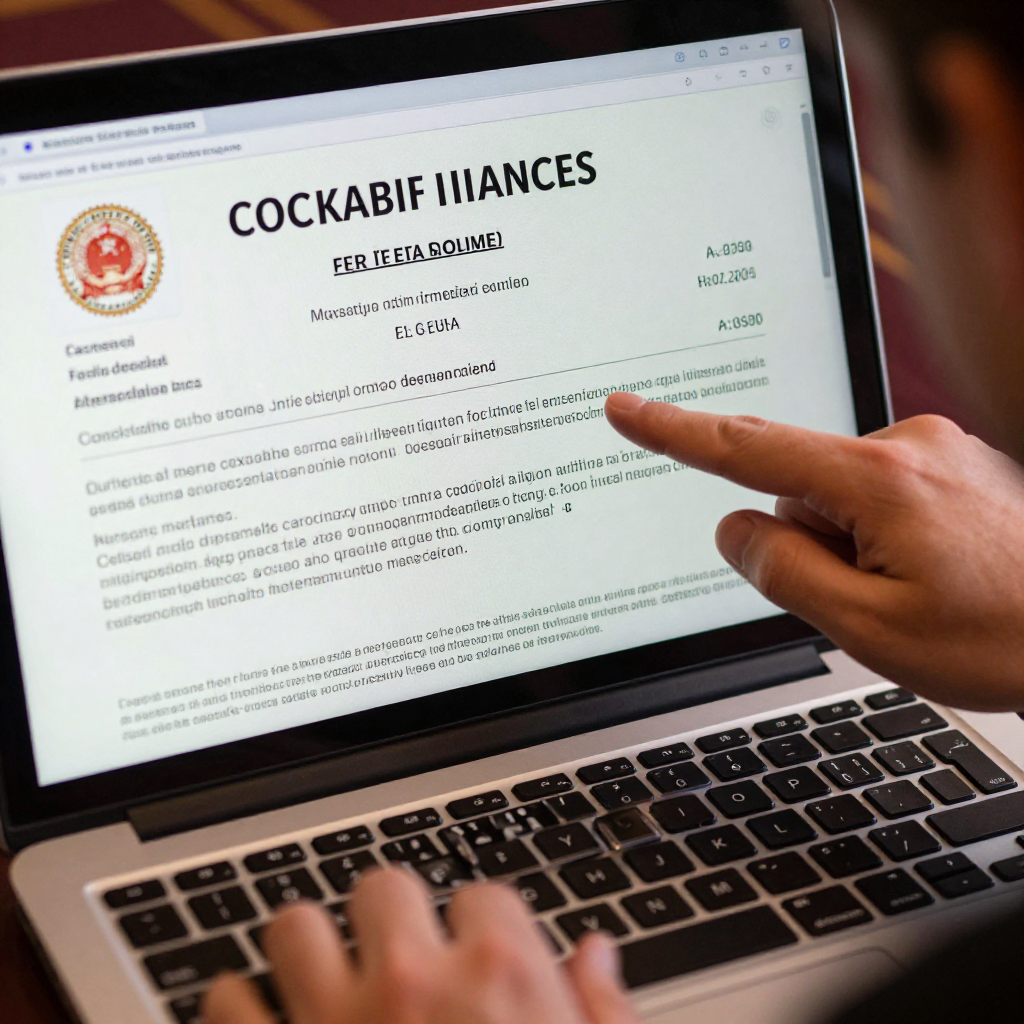
- Scroll to the footer and locate the licence number, then verify it directly on the regulator's official website.
- Read the terms of service, particularly the sections on withdrawal limits, dormant accounts, and dispute procedures.
- Search the casino's name alongside terms like 'complaints' or 'withheld winnings' to see what other players report.
Key Signs of a Safe and Reliable Bitcoin Casino
Once licensing checks out, look deeper — this is where most of the real work happens, if I'm honest. A trustworthy platform typically ticks these boxes: SSL encryption on every page (not just the login), provably fair certification for its games, transparent information about who actually owns and runs the site, independent audits from firms like eCOGRA or iTech Labs, and withdrawal policies spelled out clearly instead of buried in vague language nobody bothers reading. Genuine player reviews on independent forums — not just testimonials plastered across the casino's own homepage — are worth their weight in gold here.
Before committing funds, it's worth browsing a curated list of a trusted bitcoin casino to compare licensing, game variety, and payout speed side by side. Doing this legwork upfront saves you from the frustration of chasing a withdrawal that never actually arrives.
Red Flags to Watch Out For
Some warning signs should send you running, no hesitation:
- No visible licence information, or a licence number that doesn't verify with the regulator.
- Bonuses that seem too generous, like 500% match offers with vague wagering terms.
- Slow or non-existent customer support, especially when you ask about withdrawal timelines.
- Multiple recent complaints about withheld or delayed payouts across independent review sites.
- No KYC/AML procedures at all — legitimate operators verify identity even with crypto deposits.
Choosing the Right Cryptocurrencies and Wallets
Most reputable Bitcoin casinos accept a handful of major coins. Bitcoin (BTC) remains the default, but Ethereum (ETH), Litecoin (LTC), and stablecoins like USDT are showing up more and more. Litecoin in particular has become a favourite for its faster confirmation times and lower fees during busy network periods — small thing, sure, but it adds up over a lot of sessions.
Before you deposit anywhere, set up a secure wallet — a hardware wallet for larger sums, or a reputable software wallet for day-to-day play. Transaction fees fluctuate with network congestion, and confirmation times can range from minutes to over an hour depending on the coin.
Double-check wallet addresses before sending funds. Crypto transactions are irreversible, and there's no bank to call if you send to the wrong one. None. So take the extra ten seconds.
Bonuses, Fairness, and Game Selection
Crypto casino bonuses often look similar to fiat ones on the surface: deposit matches, free spins, welcome packages. But wagering requirements can be steeper, and some bonuses lock you into specific cryptocurrencies. Always read the fine print on maximum bet limits while wagering, since exceeding them can void your winnings entirely — I've seen it happen to people who genuinely thought they'd read everything.
Provably fair technology is one of the real perks here. It uses cryptographic hashing so you can independently verify a slot spin or dice roll wasn't manipulated after the fact. Neat, if you ask me. As for game selection, expect the usual suspects — slots, blackjack, roulette, live dealer tables — alongside crypto-exclusive originals like Crash and Plinko-style games that have basically become staples of the space now.
Responsible Gambling in the Crypto Era
Crypto's speed and pseudonymity cut both ways, and that's worth sitting with for a second. It's harder to track your own spending when transactions happen instantly and outside your usual bank statements, and regulatory oversight for offshore-licensed sites is generally lighter than what UKGC-regulated operators provide. That makes self-discipline even more important — not less.
UK players still have solid support available, though. GamCare and BeGambleAware offer free, confidential advice and tools for anyone worried about their gambling habits. GAMSTOP, the UK's self-exclusion scheme, covers UKGC-licensed sites but typically won't apply to offshore crypto casinos — so it's worth using site-level tools directly on whichever platform you choose. Don't assume one covers the other. It doesn't.
Tools and Support Resources for UK Players
- GamCare helpline: Free, confidential support for problem gambling concerns.
- BeGambleAware: Independent charity offering advice, tools, and treatment referrals.
- Casino-side features: Deposit caps, loss limits, reality check pop-ups, and cooling-off or self-exclusion periods offered directly by reputable operators.
- Budgeting apps: Track your crypto wallet activity separately from everyday finances to spot spending patterns early.
Choosing a safe Bitcoin casino in 2026 really comes down to five things: verified licensing, transparent operations, solid security practices, fair and clearly explained bonuses, and genuine responsible gambling tools. None of these take long to check. But skipping them can cost you far more than a wasted evening — I'd know. Start small, verify everything before you deposit a larger sum, and lean on platforms with a proven track record rather than flashy marketing alone.
Crypto gambling can be a genuinely enjoyable, fast, and private way to play, as long as you do your homework first.