
How to Choose the Best Debt Relief Program in the UK (2026): A Complete Guide to Clearing Debt Faster
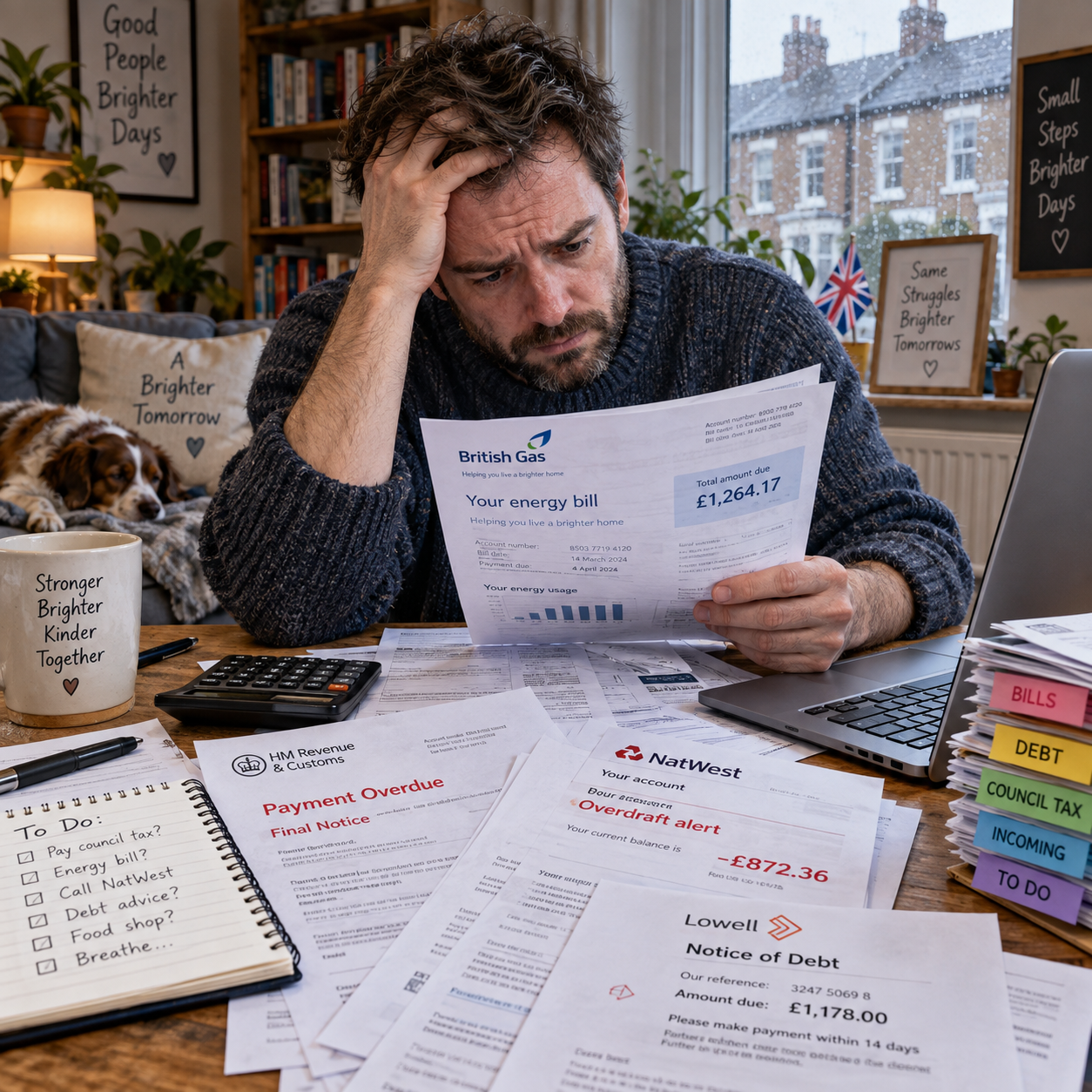
If you're staring at a stack of credit card statements right now, wondering how you'll stretch until payday — you're not alone. Not even close. Rising energy bills, mortgage rate hikes, everyday inflation that just keeps grinding away... thousands of UK households are stuck in a squeeze that hasn't eased up going into 2026. I've talked to enough people in this exact spot to know something: the panic isn't really about the numbers on the page. It's about not knowing which door to walk through next. And here's the thing — choosing the right debt relief program can actually be the turning point. Between years of low-grade anxiety and a realistic path back to solid ground. This guide walks you through how to actually compare your options, not just skim them, and pick the one that fits your life.
What Is a Debt Relief Program?
In the UK, 'debt relief program' isn't one specific product. It's more of an umbrella term, covering several formal and informal routes built to help people manage debt they can't keep up with anymore. Your main options include Debt Management Plans (DMPs), Individual Voluntary Arrangements (IVAs), Debt Relief Orders (DROs), and — if you're north of the border in Scotland — Trust Deeds. Each one works differently. But they all chase the same goal: giving you a structured way to reduce, freeze, or repay debt without spiralling deeper into arrears.
These solutions exist as an alternative to bankruptcy, which most people still treat as a last resort — and for good reason, given its long-lasting bite on assets and credit history. Debt relief programs, by contrast, tend to be more flexible and, in a lot of cases, less damaging long-term. Provided you actually pick the one that matches your circumstances instead of just grabbing the first option offered.
Who Qualifies for Debt Relief in the UK?
Eligibility isn't one-size-fits-all — not even close. Providers and creditors weigh a combination of factors before pointing you toward a specific route, including:
- Your total unsecured debt amount (DROs, for example, typically cap around a specific threshold)
- Your monthly disposable income after essential living costs
- The number of creditors involved and their willingness to negotiate
- Whether you own assets like a car or property that could affect the type of arrangement available
- Evidence of genuine financial hardship rather than short-term cash flow issues
Getting a clear picture of where you actually stand on these points, before you start comparing programs, will save you a lot of wasted time. I think most people skip this step and pay for it later.
Why Choosing the Right Program Matters
Here's something a lot of people don't realise until it's too late: picking the wrong debt solution can leave you worse off than if you'd just waited and researched properly first. Some plans come with fees that quietly eat into your repayments — you won't notice at first, but they add up. Others hit your credit score harder, and for longer, than they need to. And in some cases, people end up locked into repayment terms stretching far beyond what their situation actually required.
The reality? What works brilliantly for one person's finances might be a genuinely poor fit for someone else's. Your income stability, the size of your debt, your longer-term goals — buying a home, protecting a small business, whatever it is — all of that shapes which program even deserves a spot on your shortlist.
Key Factors to Consider Before Choosing a Debt Relief Program
Once you've got the basic categories down, it's time to dig into the details that actually determine whether a program will work for you. This is where things get practical.
Cost, Fees, and Transparency
Every legitimate debt solution provider in the UK should be FCA-regulated. That regulation exists precisely to protect you from unclear or excessive charges — but that doesn't mean every provider plays it straight. Fee structures still vary wildly. Some charge setup fees, some charge ongoing monthly management fees, some take a percentage of what you repay. Before signing anything, ask for a full breakdown in writing and compare it against at least two other providers. If a company gets vague or reluctant when you ask about costs, that's a red flag worth taking seriously.
Impact on Credit Score and Assets
Almost every debt relief option shows up on your credit file in some form — but the severity and how long it sticks around differ a lot. A DMP tends to be less damaging than an IVA. A DRO, meanwhile, can significantly restrict your borrowing for years afterward. If you own your home, certain solutions — some IVAs, for instance — may carry clauses that affect equity release down the line. Knowing this upfront saves you from an unpleasant surprise later.
How to Compare and Find the Best Debt Relief Program
This is where the real decision-making happens. Start by checking that any provider you're considering is actually authorised by the Financial Conduct Authority — you can verify this directly on the FCA register, and it takes about two minutes. From there, read independent reviews rather than leaning on testimonials plastered across a company's own website, since those get curated to look better than reality tends to be.
Next, request a side-by-side comparison: repayment terms, total cost over the life of the plan, and roughly how long each option is expected to take before you're debt-free. It's also worth talking to free, independent debt charities like StepChange or National Debtline before committing to a paid provider — they offer unbiased guidance and, sometimes, point you toward solutions you hadn't even considered.
For a detailed breakdown of top-rated providers, this guide to the best debt relief program options can help you compare structures, costs, and eligibility criteria side by side. So you're not left guessing which company actually delivers on its promises.
Common Mistakes to Avoid When Selecting a Debt Relief Solution
I've seen the same errors trip people up, again and again. Worth flagging clearly:
- Skipping free advice charities in favour of jumping straight to a paid provider, often missing better-suited options
- Choosing based on advertising rather than genuine suitability for your income and debt level
- Not reading the fine print on contracts, especially around early exit fees or missed payment penalties
- Underestimating credit impact, assuming all solutions affect your score the same way when they clearly don't
Avoiding these mistakes alone can save you months of frustration. And potentially thousands of pounds in fees you never needed to pay.
Steps to Take After Choosing a Debt Relief Program
Once you've settled on a program, the work isn't quite finished — not by a long shot. Contact your creditors directly (or have your provider handle it) to confirm the arrangement is formally in place and acknowledged. Set a realistic monthly budget that accounts for your new repayment structure, and leave some room for essentials and small emergencies. Life doesn't pause just because you've signed a plan.
Track your progress every few months rather than only checking in at the very end — this helps you catch problems early, before they snowball. And don't be afraid to review the plan periodically with your provider or a debt adviser, just to make sure it's still the right fit as your circumstances shift.
Getting out of debt in 2026 isn't about finding some magic fix. It's about matching the right structured plan to your actual financial reality, then sticking with it — even on the months it feels slow. Take the time to compare providers, understand the fees, lean on independent advice before you commit to anything. With the right approach, this can genuinely be the year you start moving toward being debt-free, rather than just managing to stay afloat.