
How to Recognise and Overcome Problem Gambling Habits: A UK Guide to Responsible Play When Choosing the Best Crypto Casino
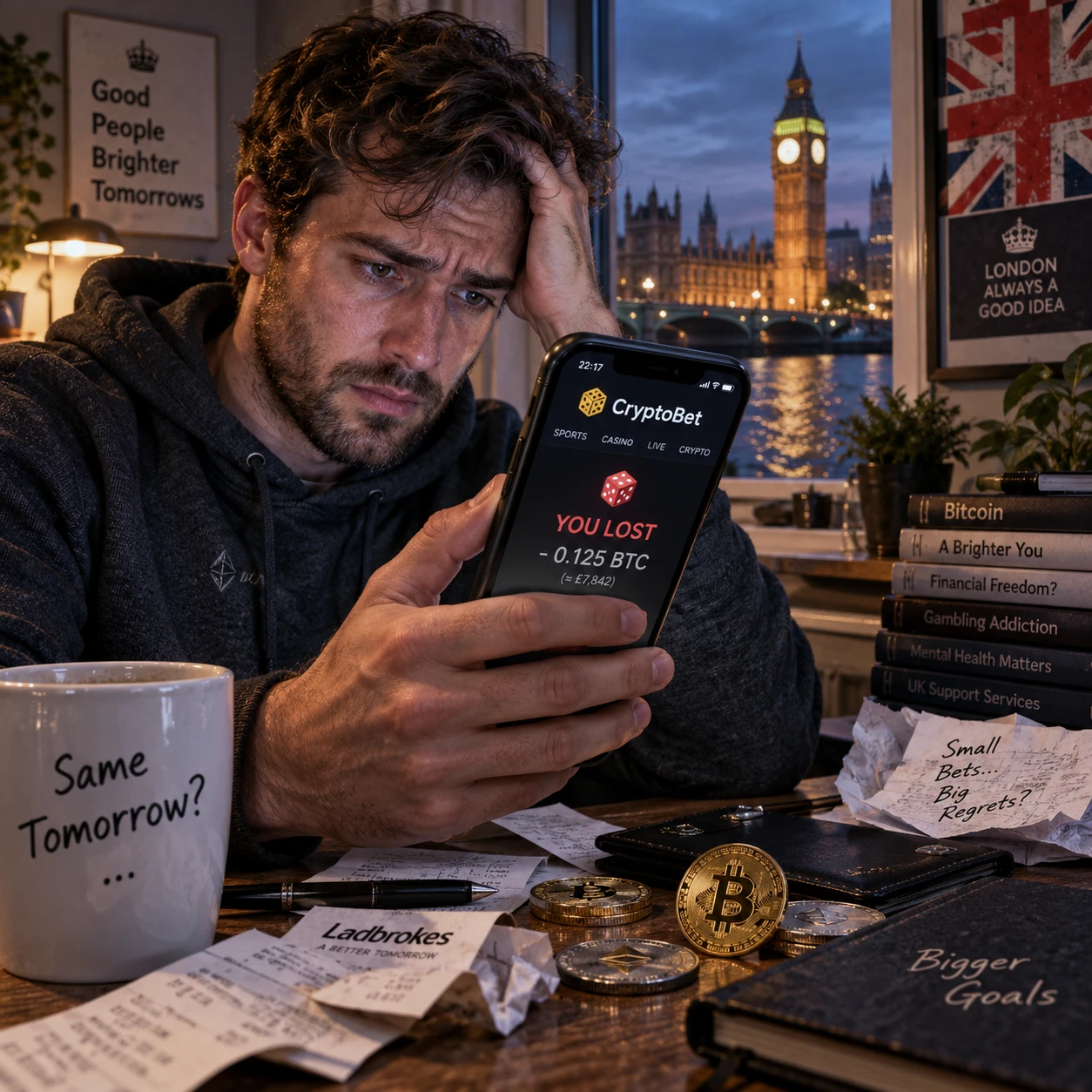
Crypto casinos have exploded in popularity across the UK these past couple of years, and I'll admit it — there's something genuinely appealing about the speed and privacy that comes with playing using digital currency. No waiting for bank transfers. No awkward conversations with your building society. Just instant deposits and instant action. But that same convenience is exactly why I wanted to write this guide, because the line between enjoying a flutter and developing a problem gets blurrier when everything moves this fast.
This piece walks through the warning signs worth watching for, the specific risks UK players face with offshore crypto platforms, and — maybe most importantly — where you can turn for genuine, judgement-free support if things have started slipping. That includes growth-focused options like coaching, not just the usual helplines.
Understanding Problem Gambling in the Crypto Era
Problem gambling has always come down to losing control over when, how much, and why you play. What's changed is the environment it happens in. Traditional betting had built-in friction — queuing at a shop, waiting for a card payment to clear, maybe even a conversation with a cashier who knew your face. Crypto gambling strips most of that away.
Transactions settle in seconds. Platforms never close. There's rarely anyone checking in on you. That shift matters more than people realise when it comes to compulsive behaviour patterns, and I don't think it gets talked about enough.
Why Crypto Gambling Can Be Riskier
A few things make crypto play uniquely dangerous for someone prone to compulsive habits. First, there's the volatility of the currency itself — watching your holdings swing in value can feel like gambling before you've even placed a bet. Second, the lack of banking friction means there's no natural 'pause point' where you might reconsider a deposit. Third, plenty of crypto casinos run around the clock from jurisdictions with lighter oversight, which means the usual safety nets — mandatory cooling-off periods, that sort of thing — simply aren't built in.
I've spoken to people who said the anonymity felt liberating at first. Then isolating once the losses started mounting. That pattern comes up more often than you'd think.
Warning Signs You Shouldn't Ignore
It's worth being honest with yourself about certain red flags, because they tend to creep up gradually rather than announce themselves. Watch for:
- Chasing losses by increasing bet sizes or deposit frequency
- Hiding wallet activity or transaction history from a partner or family member
- Borrowing money, selling assets, or using credit to fund further play
- Neglecting work, relationships, or basic responsibilities because of gambling sessions
- Using gambling as an emotional escape from stress, boredom, or anxiety
Any one of these alone might not mean much. But a pattern forming across several of them? That's a genuine signal worth acting on.
The UK-Specific Context
The UK has fairly strong gambling regulation compared to a lot of countries, but crypto casinos often sit outside that framework entirely. Many operate from offshore licences that don't require participation in UK Gambling Commission protections, GamStop self-exclusion, or affordability checks. Industry figures suggest problem gambling rates have been creeping upward among younger UK adults — people drawn specifically to crypto and esports betting formats.
That's not meant to scare anyone off entirely. It's meant to encourage a bit of extra caution before trusting a platform just because it accepts Bitcoin.
Choosing Platforms Responsibly — What 'Best' Really Means
When people search for the best crypto casino, they're usually chasing bonuses, game variety, or fast payouts. Fair enough, those things matter. But I'd argue the real marker of quality is far less exciting: visible licensing information, functioning deposit limits, clear self-exclusion tools, and transparent withdrawal terms. A platform that buries this information, or doesn't offer it at all, isn't 'best' by any meaningful standard, no matter how flashy its welcome offer looks.
That said, no platform — however well-regulated — can replace the value of having proper support around you. Whichever site you choose, pairing responsible play with access to professional guidance such as best crypto casino coaching services can make a real difference in maintaining control and supporting personal growth alongside your gaming habits. It's not an either/or situation. It's about building safety nets on multiple fronts.
Red Flags of Unsafe Crypto Casinos
Steer clear of platforms that show any of the following:
- No visible licensing or regulatory information
- Absence of self-exclusion or deposit-limit tools
- Aggressive, constant bonus pop-ups and 'limited time' pressure tactics
- Vague or shifting withdrawal terms buried in fine print
Practical Steps to Regain Control

If you recognise some of these patterns in yourself, there are concrete steps that genuinely help. Set strict deposit and session time limits before you even log in — most platforms allow this, and it takes the decision out of the heat of the moment. Consider installing blocking software on your devices that restricts access to gambling sites during vulnerable hours.
Keep a simple spending journal. Even a basic notes app entry logging every deposit works fine — it doesn't need to be fancy. And where possible, designate someone you trust to help monitor your finances, especially during the early stages of regaining control.
Building Healthier Habits Day by Day
Recovery isn't just about removing gambling — it's about replacing the gap it leaves behind. Identify your triggers, whether that's boredom, stress, or late-night scrolling, and plan alternative routines for those moments. Simple mindfulness practices, even five minutes of breathing exercises, can interrupt the urge cycle.
Set small, realistic milestones rather than vague goals like 'quit forever,' which can feel overwhelming and set you up to feel like a failure after one slip.
Where to Find Real Support in the UK
The UK has solid support infrastructure if you know where to look. GamCare offers free confidential advice and a national helpline. GamStop lets you self-exclude from all UK-licensed online gambling sites at once. The National Gambling Helpline runs 24/7 for anyone needing to talk things through.
Beyond these crisis-focused services, there's growing recognition that personal coaching fills an important gap — offering structured, ongoing guidance rather than just emergency intervention.
Why Personal Coaching Can Make a Difference
Coaching isn't a replacement for clinical therapy, but it serves a different, complementary purpose. Where therapy often digs into underlying psychological causes, coaching focuses on accountability, practical goal-setting, and building sustainable habits going forward.
For a lot of people recovering from problem gambling, having someone checking in regularly, helping set achievable targets, and celebrating small wins makes the difference between a temporary fix and lasting change.
Common Mistakes People Make When Trying to Quit
I've noticed a few recurring pitfalls over the years. Going 'cold turkey' without any support structure often backfires, leading to relapse within weeks. Some people unknowingly swap gambling for another risky behaviour — excessive drinking, impulsive spending, or compulsive trading — without ever addressing the underlying urge-seeking pattern itself.
Others underestimate their triggers, assuming willpower alone will carry them through stressful periods. It usually doesn't. And far too many wait until things are in crisis before involving family or professional help, when earlier intervention tends to produce far better outcomes.
FAQ – Responsible Crypto Gambling in the UK
Is crypto gambling legal in the UK?
Using cryptocurrency to gamble isn't illegal, but many crypto casinos operate without UK Gambling Commission licensing, which means fewer legal protections apply compared to traditional licensed operators.
How do I know if I have a problem?
If gambling is affecting your finances, relationships, sleep, or mood — and you find it hard to stop even when you want to — that's a strong indication it's time to seek support.
Can coaching really help with gambling recovery?
Yes, particularly for building long-term habits and accountability structures once the initial crisis has stabilised. It works well alongside, not instead of, clinical treatment where needed.
What's the difference between self-exclusion and self-control tools?
Self-exclusion (like GamStop) blocks your access entirely, often for a set period. Self-control tools, such as deposit or session limits, let you keep playing within boundaries you set yourself.
Conclusion
Recognising problem gambling early — and actually acting on it — is the single most important step toward lasting recovery. Whether that means using regulatory tools, calling a helpline, or working with a personal coach to rebuild healthier routines, the path forward exists, and it's more accessible than most people assume.
Responsible play ultimately isn't about finding the flashiest platform or chasing the next big win. It's about knowing your limits, watching for warning signs, and never being afraid to ask for help when you need it.